
How to Grow Your Business Online In today’s digital world, having an online presence is essential for businesses of all sizes. Whether you run a small local shop, provide professional services, or sell products online, the internet can help you reach new customers, build trust, and increase sales. Want to learn AI Digital Marketing course in meerut 1. Build a Professional Website Your website is often the first place potential customers learn about your business. Create a clean, mobile-friendly website that clearly explains what you offer, who you serve, and how customers can contact or buy from you. Make sure your website loads quickly and includes important information such as your services, prices or product details, customer reviews, contact information, and a clear call to action. 2. Use Social Media Social media platforms can help you connect directly with your target audience. Choose the platforms where your potential customers are most active and post consistently. Share useful tips, product demonstrations, customer stories, behind-the-scenes content, special offers, and educational posts. Instead of focusing only on selling, aim to provide content that people find genuinely useful. 3. Improve Your Online Visibility With SEO Search engine optimization (SEO) helps your business appear when people search online for products or services you provide. Use relevant keywords naturally in your website content, create helpful articles, optimize your business information, and make sure your website works well on mobile devices. Local businesses should also focus on local SEO so nearby customers can find them. 4. Create Valuable Content Content marketing is a powerful way to attract potential customers. Write blog articles, create videos, answer common customer questions, and share practical advice related to your industry. For example, a fitness business could publish workout tips, while a bakery could share recipes and baking advice. Helpful content builds credibility and can bring people to your website over time. 5. Build an Email List Email marketing allows you to stay connected with people who are interested in your business. Encourage website visitors and customers to subscribe to your email list. Send useful information, new product announcements, special offers, and helpful tips. Avoid sending too many promotional messages; focus on providing value. 6. Encourage Customer Reviews Positive reviews can strongly influence purchasing decisions. Ask satisfied customers to leave honest reviews on relevant platforms. Respond professionally to both positive and negative feedback. Good customer service and genuine reviews can help build trust with new customers. 7. Use Online Advertising Once you understand your target audience, online advertising can help you reach potential customers faster. You can advertise through search engines, social media, and other digital platforms. Start with a small budget, test different advertisements, and measure the results. Focus your spending on campaigns that generate meaningful leads or sales. 8. Track Your Results Growing online requires regular measurement. Monitor website visitors, leads, sales, social media engagement, email performance, and advertising results. The data can show you what is working and where you need to make improvements. Avoid spending time and money on strategies simply because they are popular—focus on what produces results for your particular business. Conclusion Growing a business online does not happen overnight. It requires consistency, useful content, good customer service, and continuous improvement. Start with a professional website, build your presence on the right social media platforms, improve your search visibility, collect customer reviews, and track your results. With a clear strategy and consistent effort, your online presence can become a powerful tool for attracting customers and growing your business.

Digital Marketing Agency in Meerut
Why Every Business Needs a Digital Presence Today If you are searching for a digital marketing agency in Meerut, you are already taking the first step towards growing your business online. Today, customers use Google, social media, and online reviews before making a purchase decision. Whether you own a retail shop, coaching institute, restaurant, clinic, or manufacturing business, having a strong online presence can help you reach more customers and increase sales. A professional marketing partner can help you build your brand, attract the right audience, and stay ahead of competitors. What is Digital Marketing? Digital marketing is the process of promoting products and services using online platforms. Instead of relying only on newspapers, pamphlets, or television advertisements, businesses now use digital channels to connect with their target audience. Some of the most common digital marketing methods include: Search Engine Optimization (SEO) Social Media Marketing (SMM) Google Ads (PPC) Content Marketing Email Marketing Website Development Online Reputation Management Each of these services helps businesses improve their visibility and attract potential customers. Why Businesses in Meerut are Choosing Online Marketing Meerut has become one of the fastest-growing business hubs in Uttar Pradesh. From educational institutions and healthcare providers to local retailers and real estate companies, every industry is becoming more competitive. Customers no longer depend only on word-of-mouth recommendations. They search online to compare products, check reviews, and contact businesses directly. This shift has made online marketing an essential investment rather than an optional one. A well-planned marketing strategy helps businesses: Reach local customers quickly Build trust through online reviews Generate quality leads Increase website traffic Improve brand awareness Boost overall sales Services You Should Expect from a Professional Marketing Company Choosing the right marketing partner means getting access to a complete range of digital services under one roof. Search Engine Optimization (SEO) SEO helps your website rank higher on search engines. Better rankings increase organic traffic and improve your chances of getting quality leads without paying for every click. Social Media Marketing Platforms like Facebook, Instagram, LinkedIn, and YouTube allow businesses to engage directly with customers. Creative posts, videos, and advertising campaigns help build brand awareness and customer loyalty. Google Ads Paid advertising delivers quick visibility. With proper campaign management, businesses can generate leads while keeping advertising costs under control. Website Design and Development Your website is often the first impression customers have of your business. A fast, mobile-friendly, and attractive website improves user experience and encourages visitors to take action. Content Marketing Useful blogs, service pages, and informative articles help educate customers while improving search engine rankings. High-quality content also builds authority within your industry. Local SEO Businesses serving customers within a specific city benefit greatly from local SEO. Optimising business listings, collecting customer reviews, and improving local search visibility help attract nearby customers. Benefits of Hiring a Professional Team Many business owners try handling online marketing themselves. While this may work initially, professional expertise usually delivers better and faster results. Some key advantages include: Better Strategy Experts analyse your market, competitors, and audience before creating a customised marketing plan. Time Saving Business owners can focus on managing daily operations while professionals handle campaigns, content, and optimisation. Access to Advanced Tools Professional agencies use premium software for keyword research, competitor analysis, performance tracking, and reporting. Measurable Results Unlike traditional advertising, digital campaigns provide measurable data such as website visitors, conversions, click-through rates, and return on investment. How to Choose the Right Marketing Partner Not every company offers the same quality of service. Before making a decision, consider these important factors. Experience Look for a company that has worked with businesses across different industries and understands changing market trends. Portfolio Review previous projects to understand the quality of work, website designs, and campaign results. Transparent Communication A reliable team explains strategies clearly and provides regular performance reports. Genuine Reviews Customer testimonials and online ratings provide valuable insights into service quality and client satisfaction. Affordable Pricing The cheapest option is not always the best. Focus on value, expertise, and long-term results rather than only comparing prices. Common Mistakes Businesses Should Avoid Many businesses spend money on marketing without achieving the desired results because of avoidable mistakes. Some common errors include: Ignoring SEO Using poor-quality website content Posting irregularly on social media Running ads without proper targeting Not tracking campaign performance Ignoring customer reviews Using outdated marketing strategies Avoiding these mistakes can significantly improve your online performance. The Future of Digital Marketing The digital landscape continues to evolve every year. Artificial intelligence, voice search, video marketing, and personalised customer experiences are changing how businesses communicate with customers. Consumers expect quick responses, useful information, and seamless online experiences. Businesses that adapt to these changing expectations will continue to grow and remain competitive. Investing in modern marketing techniques today helps create sustainable business growth for the future. Final Thoughts Finding the right digital marketing agency in Meerut can make a significant difference to your business growth. From increasing online visibility to generating quality leads and building long-term customer relationships, professional digital marketing offers measurable benefits for businesses of every size. Before choosing a service provider, evaluate their experience, portfolio, communication, and client feedback. A reliable marketing partner will understand your business goals and create customised strategies that deliver consistent results. In today’s competitive market, building a strong online presence is no longer a luxury—it is a necessity. Businesses that invest in effective digital marketing today are more likely to achieve higher visibility, stronger customer engagement, and long-term success.
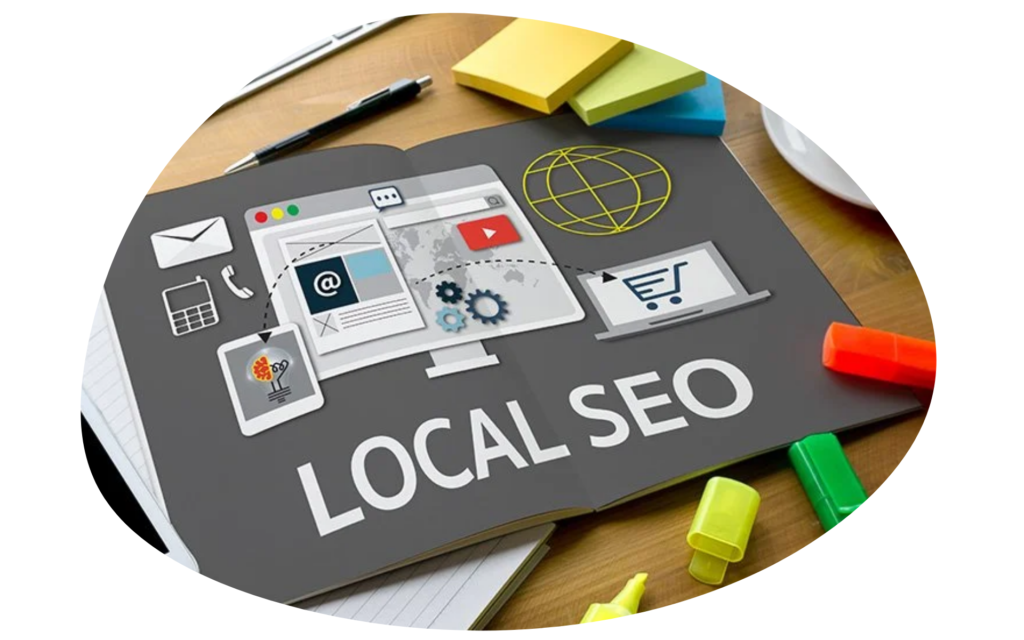
Local SEO in Meerut
Local SEO in Meerut: A Complete Guide to Grow Your Local Business If you own a business and want more customers from your city, Local SEO in Meerut is one of the best digital marketing strategies you can use. Today, most people search online before visiting a shop, restaurant, clinic, or service provider. If your business appears at the top of local search results, you have a much better chance of getting calls, website visits, and walk-in customers. This guide explains how local SEO works and why it is important for businesses in Meerut. What is Local SEO in Meerut? Local SEO is the process of improving your online presence so your business appears in local search results. For example, when someone searches for “best bakery near me” or “digital marketing agency in Meerut,” Google shows businesses that are relevant to that location. For businesses in Meerut, local SEO helps connect with nearby customers who are already looking for products or services. Instead of competing with businesses across India, you focus on people in your local area who are more likely to become customers. Why is Local SEO Important? The number of people using Google to find local businesses is increasing every year. Whether they need a doctor, salon, gym, coaching centre, or restaurant, they usually search online before making a decision. Here are some benefits of local SEO: Better visibility on Google Search. More website traffic. Increased phone calls and enquiries. Higher footfall to your physical store. Improved trust among local customers. Better return on your marketing investment. For small and medium-sized businesses, local SEO is often more affordable than traditional advertising while delivering long-term results. Create and Optimise Your Google Business Profile Your Google Business Profile is one of the most important parts of local SEO. Make sure your profile includes: Correct business name. Accurate address. Updated phone number. Business timings. Website link. High-quality images. Business category. Customer reviews. A complete profile increases your chances of appearing in Google’s Local Pack, which is displayed above normal search results for many local searches. Keep Your Business Information Consistent Your business details should remain the same across every online platform. This includes your website, Google Business Profile, social media pages, and local business directories. Always use the same: Business name Address Phone number Consistency helps search engines trust your business information and improves your local rankings. Use Local Keywords Naturally Adding location-based keywords to your website helps search engines understand where your business operates. You can include your city name in: Homepage Service pages Blog articles Meta titles Meta descriptions Image alt text However, avoid repeating keywords too many times. Use them naturally so your content remains useful and easy to read. Build Location-Specific Content Publishing blogs related to Meerut can improve your website’s authority for local searches. Some useful blog ideas include: Best places to visit in Meerut Business opportunities in Meerut Local events and exhibitions Shopping markets in Meerut Tips for local entrepreneurs This type of content attracts visitors from your target location and increases your chances of ranking for local searches. Collect Customer Reviews Customer reviews play an important role in local SEO. Positive reviews improve your online reputation and encourage new customers to trust your business. Ask happy customers to leave reviews on Google after they purchase your product or service. When you receive reviews: Thank customers for positive feedback. Respond politely to negative reviews. Try to resolve customer concerns. Regular interaction with reviews also shows Google that your business is active. Optimise Your Website for Mobile Users Most local searches happen on smartphones. Your website should load quickly and work smoothly on mobile devices. A mobile-friendly website should have: Fast loading speed. Easy navigation. Click-to-call button. Readable text. Simple contact forms. A better mobile experience can improve both rankings and customer satisfaction. Build Local Backlinks Backlinks are links from other websites pointing to your site. Local backlinks are especially valuable because they show search engines that your business is trusted within your city. You can earn backlinks by: Partnering with local organisations. Sponsoring community events. Writing guest blogs. Listing your business on trusted local directories. Collaborating with nearby businesses. Quality is more important than quantity when building backlinks. Track Your SEO Performance SEO is not a one-time activity. You should regularly monitor your performance to understand what is working. Useful metrics include: Organic website traffic. Keyword rankings. Phone calls. Contact form submissions. Google Business Profile views. Customer enquiries. Free tools like Google Analytics and Google Search Console can help you measure your website’s growth. Common Mistakes to Avoid Many businesses make simple mistakes that affect their rankings. Some common mistakes include: Ignoring Google Business Profile. Using incorrect business information. Buying fake reviews. Publishing duplicate content. Not updating the website regularly. Ignoring mobile optimisation. Stuffing keywords unnecessarily. Avoiding these mistakes can improve your long-term SEO performance. Final Thoughts Growing a business in today’s competitive market requires a strong online presence. Local customers are actively searching for products and services every day, and businesses that appear in search results usually receive more enquiries and sales. By focusing on quality content, customer reviews, website optimisation, and consistent business information, you can achieve better online visibility and build trust with your audience. If you invest time and effort in Local SEO in Meerut, your business can attract more nearby customers, improve brand awareness, and generate steady growth over the long term. Local SEO is not just about ranking on Google; it is about making it easier for the right customers to find and choose your business. If u want toh explore blog on

Web Design in Meerut
Web Design in Meerut: A Smart Investment for Every Business In today’s digital world, having a professional website is no longer an option. Whether you own a local shop, a coaching institute, a hospital, or a startup, your online presence plays an important role in attracting customers. This is why Web Design in Meerut has become a popular choice for businesses that want to build a strong digital identity. A well-designed website not only improves your brand image but also helps you connect with your target audience in a better way. Why Every Business Needs a Professional Website The internet has changed the way people search for products and services. Before visiting a store or contacting a company, most customers first check its website. If your website looks outdated or takes too much time to load, visitors may leave without exploring your services. A professional website creates a positive first impression. It gives visitors confidence that your business is reliable and trustworthy. It also allows customers to learn about your products, services, pricing, and contact details at any time. Businesses with a modern website often receive more enquiries compared to those that only depend on offline marketing. Benefits of Choosing Web Design in Meerut A professionally designed website offers much more than just a good appearance. It becomes your business’s digital showroom where customers can learn about your products and services anytime. Some major benefits include: Creates a strong first impression Builds trust among customers Improves brand image Generates quality leads Supports digital marketing campaigns Increases online visibility Provides business information 24/7 Helps customers contact you easily When your website is attractive and easy to use, visitors spend more time exploring your business. Why a Website is Important for Every Business Today, most people search online before purchasing any product or service. If your business does not have a professional website, you may lose many potential customers. A website acts as your online office where people can check your services, pricing, location, contact details, and customer reviews. It also allows customers to connect with you without visiting your physical location. Having a modern website helps businesses remain competitive in today’s fast-growing digital market. Features of a Professional Website A quality website should focus on both design and performance. Visitors expect websites to be fast, attractive, and simple to use. Some important features include: Mobile responsive design Fast loading speed Clean and modern layout Easy navigation Secure SSL certificate Contact forms WhatsApp integration Google Maps integration Social media links SEO-friendly structure These features improve user experience and increase customer engagement. Mobile-Friendly Websites Matter More than half of internet users browse websites through smartphones. If your website does not work properly on mobile devices, visitors may leave immediately. Responsive websites automatically adjust according to different screen sizes. This ensures a better browsing experience on mobiles, tablets, and desktops. Google also gives preference to mobile-friendly websites in search rankings, making responsive design an important factor for online success. Website Design and User Experience A beautiful website alone cannot guarantee success. Visitors should be able to find information quickly without confusion. Good user experience includes: Clear navigation menus Readable fonts Proper spacing High-quality images Simple contact options Quick loading pages When visitors enjoy browsing your website, they are more likely to contact your business. Importance of SEO-Friendly Website Development A website should be designed keeping search engines in mind. Proper website structure, fast speed, image optimisation, and clean coding help search engines understand your content better. SEO-friendly development increases your chances of appearing higher in search results, which brings more organic visitors to your website. Businesses that invest in both website design and SEO usually receive better long-term results. Different Types of Business Websites Every business has unique requirements. Professional designers develop websites according to business goals and customer expectations. Popular website types include: Business websites Corporate websites E-commerce websites School websites College websites Hospital websites Real estate websites Hotel websites Portfolio websites Blogging websites Choosing the right website type helps businesses serve customers more effectively. Common Mistakes to Avoid Many businesses make simple mistakes while creating their websites. Some common mistakes are: Slow website speed Poor quality images Outdated content Broken links No mobile optimisation Complicated navigation Missing contact details Too many pop-ups Avoiding these issues improves customer satisfaction and website performance. Website Maintenance is Essential Creating a website is only the beginning. Regular maintenance ensures smooth performance and security. Maintenance includes: Updating website software Taking regular backups Fixing technical issues Updating business information Improving website speed Monitoring website security A regularly maintained website performs better and provides a positive experience for visitors. Tips for Selecting the Right Web Design Company Choosing the right service provider is important for your business growth. Before hiring a company, check: Previous portfolio Client reviews Experience Project delivery time Support services SEO knowledge Pricing transparency A reliable company understands your business goals and creates a website that delivers real results. Future of Website Design Website technology continues to evolve every year. Businesses are now using faster websites, AI chat support, advanced security, and better user experience to attract customers. Modern websites also focus on accessibility, voice search optimisation, and improved performance across all devices. Keeping your website updated helps your business remain competitive in the digital world. Conclusion A professional website is one of the best investments for any business looking to grow online. It improves credibility, attracts new customers, strengthens your brand, and supports your marketing efforts. A well-planned website should be mobile-friendly, SEO-ready, secure, and easy to navigate. By investing in professional website development, businesses can create a strong online presence and achieve long-term success. Whether you are starting a new business or upgrading an existing one, a quality website can help you connect with more customers and build lasting trust in the digital marketplace.
Social Media Marketing in Meerut
Social Media Marketing in Meerut: A Complete Guide for Business Growth In today’s digital world, Social Media Marketing in Meerut has become one of the most effective ways for businesses to connect with their target audience. Whether you own a retail shop, restaurant, coaching institute, clinic, or service-based company, social media platforms can help you build your brand, generate quality leads, and increase sales. With more people spending time on Facebook, Instagram, LinkedIn, and YouTube, businesses in Meerut now have a great opportunity to grow their online presence and stay ahead of the competition Why Social Media Marketing is Important for Businesses in Meerut The way people search for products and services has changed significantly over the last few years. Before making a purchase, most customers check social media profiles, reviews, and online recommendations. This makes it essential for every business to maintain an active presence on social media. Social Media Marketing in Meerut allows local businesses to reach nearby customers without spending a huge amount on traditional advertising. It helps create brand awareness, improve customer trust, and build long-term relationships with the audience. Whether your business is new or already established, social media provides a cost-effective solution to promote your products and services. Benefits of Social Media Marketing in Meerut Businesses that invest in social media marketing enjoy several long-term advantages. Some of the major benefits include: Better brand awareness among local customers. Increased website traffic through engaging content. More enquiries and quality leads. Higher customer engagement through comments and messages. Cost-effective advertising compared to traditional marketing. Improved customer trust with regular updates and testimonials. Better visibility in the local market. When done correctly, Social Media Marketing in Meerut helps businesses build a loyal customer base while improving their overall online reputation. Best Social Media Platforms for Local Businesses Not every social media platform works the same way. The right platform depends on your business type and target audience. Facebook Facebook is one of the best platforms for reaching local customers. Businesses can share updates, promotional offers, customer reviews, and run targeted advertisements. Instagram Instagram is ideal for businesses that want to showcase products through attractive images and short videos. Fashion stores, cafes, salons, gyms, and restaurants can benefit greatly from Instagram marketing. LinkedIn For B2B companies, educational institutions, consultants, and professional service providers, LinkedIn offers excellent networking opportunities. YouTube Video content continues to grow rapidly. Product demonstrations, customer testimonials, educational videos, and business introductions perform well on YouTube. Using the right combination of these platforms makes Social Media Marketing in Meerut more effective and result-oriented. Content Strategy That Delivers Results Posting random content rarely produces good results. Every business should have a proper content strategy that includes valuable and engaging posts. Some popular content ideas include: Product showcases Customer success stories Behind-the-scenes videos Festival greetings Industry tips Educational posts Promotional offers Polls and quizzes High-quality visuals combined with informative captions encourage users to interact with your business. Consistency is equally important. Posting regularly keeps your audience engaged and improves your brand visibility. Paid Advertising on Social Media Organic reach is useful, but paid advertising helps businesses grow much faster. Social media advertising allows businesses to target customers based on location, age, interests, profession, and buying behaviour. For example, a restaurant in Meerut can display advertisements only to people living nearby. Similarly, a coaching institute can target students preparing for competitive exams. This precise targeting makes Social Media Marketing in Meerut highly cost-effective because businesses spend money only on reaching relevant audiences. Common Mistakes Businesses Should Avoid Many businesses create social media accounts but fail to achieve good results due to common mistakes. Some of these include: Posting irregularly. Ignoring customer messages. Using low-quality images. Focusing only on sales promotions. Not analysing campaign performance. Choosing the wrong audience for advertisements. Copying competitors instead of creating original content. Avoiding these mistakes helps improve engagement and overall campaign performance. How to Choose the Right Social Media Marketing Agency Selecting the right marketing partner is important for business growth. A professional agency understands your business goals and creates customised marketing strategies. Before hiring an agency, consider the following: Experience in managing different industries. Portfolio of previous work. Transparent pricing. Clear reporting system. Strong communication. Knowledge of current social media trends. A reliable agency offering Social Media Marketing in Meerut will focus on generating measurable business results rather than just increasing followers. Measuring Success Every marketing campaign should be monitored regularly. Important performance indicators include: Reach Impressions Engagement rate Website traffic Lead generation Conversion rate Return on investment (ROI) These metrics help businesses understand what is working and where improvements are needed. Regular analysis allows marketers to optimise campaigns for better performance and higher returns. Future of Social Media Marketing in Meerut As internet usage continues to grow, more businesses are investing in digital marketing strategies. Customers now expect businesses to be active online and respond quickly to their queries. Short-form videos, influencer collaborations, live sessions, and AI-powered marketing tools are becoming increasingly popular. Businesses that adapt to these trends early will enjoy a competitive advantage. The demand for Social Media Marketing in Meerut is expected to increase as more local businesses realise the value of building a strong digital presence. Conclusion Social media has become an essential marketing tool for businesses of every size. It offers an affordable way to connect with customers, increase brand awareness, generate quality leads, and improve sales. With the right strategy, consistent content, and targeted advertising, businesses can achieve sustainable growth in today’s competitive market. If you want to expand your customer base and strengthen your online presence, investing in Social Media Marketing in Meerut is a smart business decision. A well-planned social media strategy not only improves visibility but also builds trust, encourages customer engagement, and supports long-term business success.
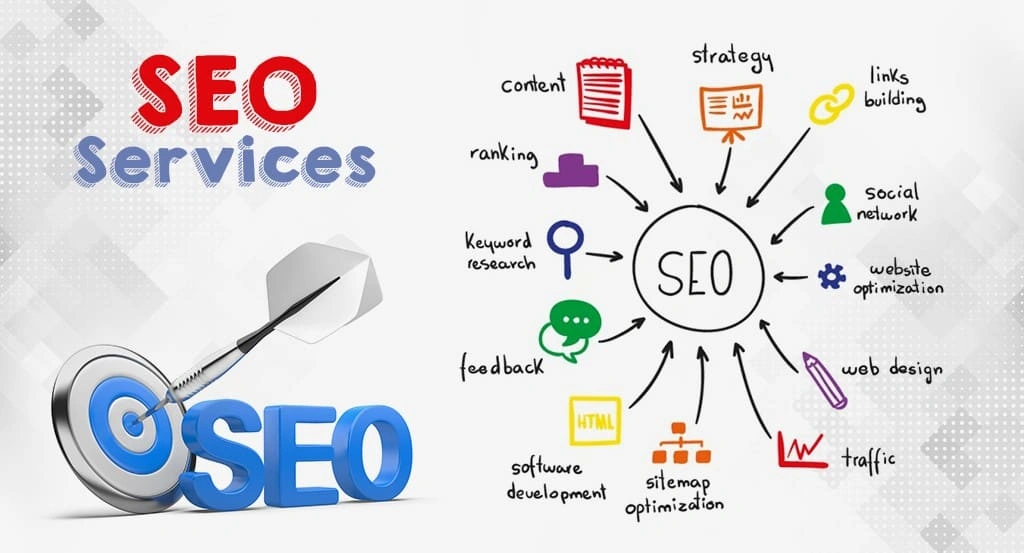
SEO Services in Meerut
SEO Service in Meerut: A Smart Way to Grow Your Business Online In today’s digital world, every business wants to be visible online. Whether you own a small shop, a coaching institute, a restaurant, or a large company, having a strong online presence is no longer optional. This is where SEO Service in Meerut becomes important. Search Engine Optimisation (SEO) helps your website rank higher on Google, making it easier for potential customers to find your business. With the right SEO strategy, you can increase website traffic, improve brand awareness, and generate quality leads without spending heavily on paid advertisements. Why SEO Matters for Every Business People usually search on Google before buying a product or hiring a service. If your website appears on the first page of search results, there is a higher chance that users will visit your website instead of your competitors’. SEO is the process of improving your website so that search engines understand your content and show it to the right audience. Unlike paid advertising, SEO provides long-term benefits. Once your website gains good rankings, you can continue receiving organic traffic for months with regular maintenance. This makes SEO one of the most cost-effective digital marketing methods. Benefits of Choosing SEO Service in Meerut Businesses in Meerut are growing rapidly, and competition is increasing in almost every industry. A professional SEO Service in Meerut helps local businesses stand out by improving their online visibility. Some major benefits include: Better rankings on Google search results. Increased organic website traffic. Higher brand credibility and trust. More enquiries and sales. Better return on investment compared to paid ads. Improved user experience for website visitors. These advantages help businesses build a strong digital presence and attract customers consistently. How SEO Works SEO is not a single activity. It involves multiple techniques that work together to improve a website’s performance. Some of the important SEO activities include: Keyword Research The first step is identifying the words and phrases people search for online. Choosing the right keywords helps attract visitors who are genuinely interested in your products or services. On-Page Optimisation On-page SEO focuses on improving website pages by optimising titles, headings, images, URLs, and content. It also ensures that every page provides useful information to visitors. Technical SEO Technical SEO improves the backend of a website. It includes faster loading speed, mobile responsiveness, secure HTTPS connection, proper indexing, and fixing broken links. Content Marketing Quality content plays a major role in SEO success. Blogs, articles, service pages, FAQs, and informative guides help answer user queries and increase website authority. Link Building Building backlinks from trusted websites improves domain authority and increases search engine rankings. However, quality is more important than quantity. Local SEO For businesses targeting nearby customers, local SEO is essential. It includes Google Business Profile optimisation, local citations, customer reviews, and location-based keywords to improve visibility in local searches. Industries That Can Benefit from SEO SEO is useful for almost every business type. Some examples include: Educational institutes Hospitals and clinics Restaurants and cafes Real estate companies Manufacturers Retail stores Hotels Travel agencies Lawyers Chartered accountants E-commerce businesses Regardless of the industry, SEO helps businesses connect with customers who are actively searching online. Qualities of a Good SEO Company Selecting the right SEO partner is important for long-term success. A reliable company should offer: Transparent working process. Regular performance reports. White-hat SEO techniques. Experienced professionals. Customised SEO strategies. Timely communication. Ethical link-building practices. Avoid agencies that promise instant rankings because SEO requires consistent effort and follows Google’s guidelines. Common SEO Mistakes Businesses Should Avoid Many businesses unknowingly make mistakes that affect their search rankings. Some common issues include: Publishing duplicate content. Ignoring mobile optimisation. Using too many keywords unnaturally. Slow website loading speed. Poor website navigation. Low-quality backlinks. Not updating content regularly. Fixing these problems improves both user experience and search engine performance. How Long Does SEO Take? SEO is a long-term investment. Most websites start seeing noticeable improvements within three to six months, depending on competition, website quality, and industry. Competitive industries may require more time, but the results are usually sustainable compared to paid advertising. Regular content updates, website optimisation, and quality backlinks help maintain and improve rankings over time. Why Local Businesses Should Invest in SEO Local customers often search using phrases like “near me” or include their city name in search queries. Businesses with strong local SEO appear in Google Maps and local search results, increasing the chances of receiving calls, enquiries, and store visits. For businesses in Meerut, local SEO helps reach nearby customers who are already interested in the products or services being offered. This targeted approach leads to better conversion rates compared to general marketing methods. Tips to Improve SEO Performance Here are a few practical tips for better SEO results: Publish original and informative content regularly. Keep your website mobile-friendly. Improve page loading speed. Use descriptive page titles and headings. Add relevant internal links. Optimise images with proper alt text. Encourage satisfied customers to leave reviews. Monitor website performance using analytics tools. Following these practices consistently helps improve search rankings over time. Future of SEO Search engines continue to update their algorithms to provide better results for users. Businesses must focus on creating valuable content, improving website experience, and following ethical SEO practices instead of looking for shortcuts. Artificial Intelligence, voice search, and mobile-first indexing are changing the way SEO works. Businesses that adapt to these trends will have a better chance of staying ahead of the competition. Conclusion A well-planned SEO strategy can transform the online presence of any business. It helps increase website traffic, improve brand credibility, and generate quality leads without relying only on paid advertisements. Whether you run a startup, a local shop, or an established company, investing in professional SEO can deliver long-term business growth. By choosing experienced professionals, following ethical SEO practices, and focusing on customer needs, businesses can build a strong digital presence and achieve sustainable success in today’s competitive online market.
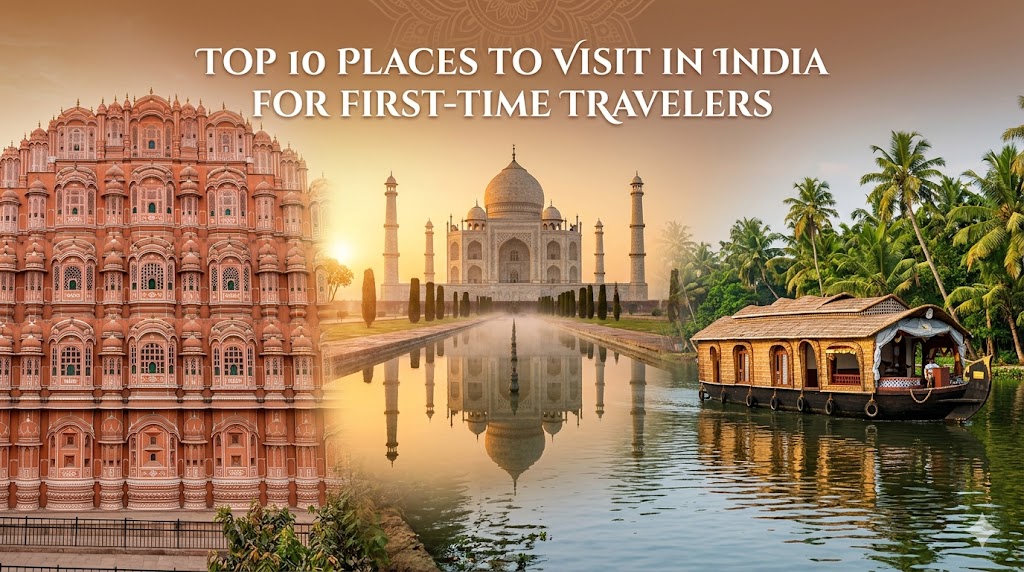
Top 10 Places to Visit in India for First-Time Travelers
India is a land of incredible diversity, where ancient traditions blend seamlessly with modern lifestyles. From majestic mountains and royal palaces to serene backwaters and vibrant cities, the country offers countless experiences for travelers. For first-time visitors, choosing where to go can be overwhelming due to India’s vast size and cultural richness. To help you plan your journey, here are the top 10 destinations that showcase the best of India’s history, culture, nature, and hospitality. 1. Agra – Home of the Iconic Taj Mahal No first trip to India is complete without visiting Taj Mahal, one of the world’s most famous monuments. Built by Emperor Shah Jahan in memory of his wife Mumtaz Mahal, this white marble masterpiece is a symbol of eternal love. Visitors are often mesmerized by its architectural beauty, especially during sunrise and sunset. Apart from the Taj Mahal, Agra also boasts attractions like Agra Fort and Fatehpur Sikri, both UNESCO World Heritage Sites. 2. Jaipur – The Pink City Jaipur is a perfect introduction to India’s royal heritage. Known as the Pink City, it features magnificent forts, palaces, and colorful bazaars. Visitors can explore the stunning Amber Fort, admire the unique architecture of Hawa Mahal, and visit the grand City Palace. The city’s vibrant markets are ideal for shopping for traditional handicrafts, textiles, jewelry, and souvenirs. 3. New Delhi – India’s Dynamic Capital As the capital city, New Delhi offers a fascinating mix of history, culture, and modern development. Travelers can visit iconic landmarks such as India Gate, Qutub Minar, and Humayun’s Tomb. Food lovers will enjoy Delhi’s famous street food scene, while history enthusiasts can explore centuries of Mughal and colonial heritage throughout the city. 4. Varanasi – The Spiritual Heart of India Varanasi is one of the oldest continuously inhabited cities in the world and a deeply spiritual destination. Situated along the sacred Ganges River, the city attracts pilgrims and travelers seeking cultural immersion. Witnessing the evening Ganga Aarti ceremony at the ghats is an unforgettable experience. A sunrise boat ride on the river offers a unique perspective of the city’s spiritual atmosphere and daily life. 5. Udaipur – The City of Lakes Often called India’s most romantic city, Udaipur is known for its beautiful lakes, elegant palaces, and scenic surroundings. The stunning City Palace overlooks Lake Pichola and provides breathtaking views of the city. Visitors can enjoy boat rides, explore historic architecture, and experience Rajasthan’s royal charm in a more relaxed setting than many larger cities. 6. Goa – Beaches and Relaxation For travelers seeking sun, sand, and a laid-back atmosphere, Goa is the ideal destination. Famous for its beautiful coastline, Portuguese heritage, and vibrant nightlife, Goa offers something for every type of traveler. Popular beaches include Baga Beach, Calangute Beach, and Palolem Beach. Beyond the beaches, visitors can explore historic churches, spice plantations, and charming villages. 7. Kochi – Gateway to Kerala Kochi is a charming coastal city that reflects a blend of Indian, Portuguese, Dutch, and British influences. The city is known for its historic neighborhoods, colonial architecture, and iconic Chinese fishing nets. As the gateway to Kerala, Kochi serves as an excellent starting point for exploring the state’s lush landscapes, backwaters, and renowned wellness retreats. 8. Alleppey – The Backwater Paradise Also known as Alappuzha, Alleppey is famous for its tranquil backwaters and traditional houseboat cruises. Drifting through palm-lined canals and picturesque villages provides a peaceful escape from India’s bustling cities. The region offers visitors a glimpse into Kerala’s rural life while showcasing the natural beauty that has earned the state the nickname “God’s Own Country.” 9. Rishikesh – Yoga Capital of the World Nestled in the foothills of the Himalayas, Rishikesh is a destination that combines spirituality, adventure, and natural beauty. The city is globally recognized for yoga and meditation retreats, attracting wellness seekers from around the world. Adventure enthusiasts can enjoy river rafting on the Ganges, trekking, and camping, while spiritual travelers can visit ancient temples and peaceful ashrams. 10. Mumbai – The City of Dreams Mumbai, India’s financial and entertainment capital, offers a vibrant urban experience. The city is home to iconic landmarks such as Gateway of India and Marine Drive. Visitors can experience the energy of India’s film industry, sample diverse cuisine, explore bustling markets, and witness the dynamic pace of modern Indian life. Final Thoughts India is a country that surprises and inspires at every turn. For first-time travelers, these ten destinations provide an excellent introduction to the country’s rich history, diverse cultures, stunning landscapes, and warm hospitality. Whether you’re admiring the timeless beauty of the Taj Mahal, cruising through Kerala’s backwaters, exploring Rajasthan’s royal palaces, or experiencing the spiritual ambiance of Varanasi, each destination offers a unique perspective on India’s incredible diversity. By including a mix of cultural landmarks, natural attractions, spiritual centers, and modern cities, this itinerary ensures a memorable and well-rounded first visit to one of the world’s most fascinating travel destinations.
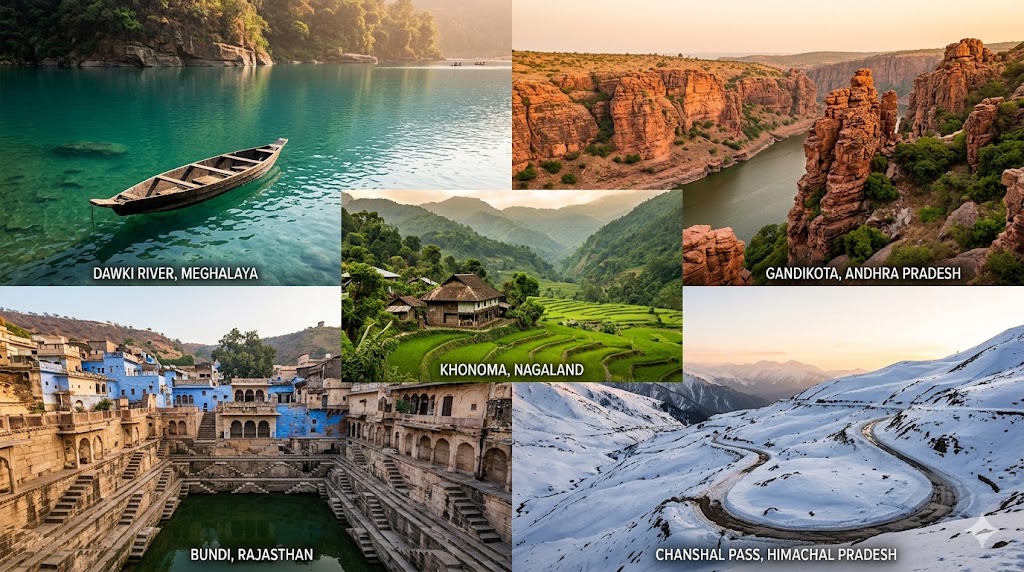
10 Hidden Gems Every Traveler Should Visit in India
India is a land of incredible diversity, offering everything from snow-capped mountains and pristine beaches to ancient temples and vibrant cities. While famous destinations like Goa, Jaipur, and Manali attract millions of visitors every year, there are countless hidden gems waiting to be explored. These lesser-known destinations provide unique experiences, breathtaking landscapes, and a chance to discover India’s authentic beauty away from crowded tourist hotspots. Here are ten hidden gems every traveler should consider adding to their bucket list. 1. Tawang, Arunachal Pradesh Nestled in the eastern Himalayas, Tawang is a stunning destination known for its picturesque mountains, serene lakes, and rich Buddhist culture. The town is home to the famous Tawang Monastery, one of the largest monasteries in India. Visitors can enjoy breathtaking views of snow-covered peaks, explore traditional villages, and experience the peaceful atmosphere of this remote Himalayan paradise. The best time to visit is between March and October when the weather is pleasant and roads are accessible. 2. Ziro Valley, Arunachal Pradesh Ziro Valley is a hidden treasure famous for its lush green landscapes, rice fields, and unique tribal culture. Home to the Apatani tribe, the valley offers a fascinating glimpse into traditional lifestyles and sustainable farming practices. Nature lovers will appreciate the scenic beauty, while music enthusiasts may enjoy the popular Ziro Music Festival held annually. The valley’s calm environment makes it an ideal destination for relaxation and cultural exploration. 3. Majuli, Assam Majuli is the world’s largest river island and one of India’s most unique destinations. Located on the Brahmaputra River, this island is known for its rich cultural heritage, beautiful landscapes, and traditional Assamese monasteries known as Satras. Travelers can explore local villages, witness traditional dance performances, and enjoy stunning sunsets over the river. Majuli offers an unforgettable experience for those seeking a peaceful escape into nature and culture. 4. Chopta, Uttarakhand Often referred to as the “Mini Switzerland of India,” Chopta remains relatively untouched by mass tourism. Surrounded by dense forests and majestic Himalayan peaks, it serves as the starting point for the famous Tungnath and Chandrashila treks. The region is perfect for hiking, camping, birdwatching, and photography. During winter, snowfall transforms Chopta into a magical wonderland, attracting adventure enthusiasts from across the country. 5. Gokarna, Karnataka While Goa often steals the spotlight, Gokarna offers a quieter and more laid-back coastal experience. This charming town is known for its pristine beaches, spiritual atmosphere, and stunning cliffside views. Beaches such as Om Beach, Kudle Beach, and Half Moon Beach provide the perfect setting for relaxation and water activities. Travelers looking for a peaceful beach vacation will find Gokarna an excellent alternative to crowded tourist destinations. 6. Hampi, Karnataka Although gaining popularity in recent years, Hampi still retains much of its hidden charm. This UNESCO World Heritage Site is filled with ancient ruins, temples, and fascinating rock formations that tell the story of the once-powerful Vijayanagara Empire. Visitors can explore centuries-old monuments, climb hills for panoramic views, and experience the region’s unique blend of history and natural beauty. Hampi is a dream destination for history buffs and photographers alike. 7. Dzukou Valley, Nagaland Located on the border of Nagaland and Manipur, Dzukou Valley is often called the “Valley of Flowers of the Northeast.” The valley is famous for its rolling green hills, colorful wildflowers, and breathtaking trekking routes. During the monsoon season, the valley bursts into vibrant colors, creating a spectacular natural landscape. Adventure seekers and nature lovers will find Dzukou Valley to be one of India’s most rewarding trekking destinations. 8. Mandu, Madhya Pradesh Mandu is a historic town filled with magnificent palaces, forts, and architectural wonders. Often overlooked by mainstream tourists, this hidden gem offers a fascinating journey into India’s medieval past. The town is especially beautiful during the monsoon season when lush greenery surrounds its ancient structures. Popular attractions include Jahaz Mahal, Hindola Mahal, and Rani Roopmati’s Pavilion, each showcasing remarkable architectural brilliance. 9. Mawlynnong, Meghalaya Known as the cleanest village in Asia, Mawlynnong is a perfect example of community-driven environmental conservation. This charming village is surrounded by lush greenery, waterfalls, and living root bridges. Visitors can enjoy peaceful walks through beautifully maintained pathways, interact with local residents, and experience sustainable tourism practices firsthand. Mawlynnong offers a refreshing break from busy urban life and demonstrates how tourism and environmental responsibility can coexist. 10. Spiti Valley, Himachal Pradesh Spiti Valley is one of India’s most spectacular yet less-explored destinations. Located high in the Himalayas, the valley features dramatic landscapes, ancient monasteries, and crystal-clear rivers. Travelers can visit historic monasteries such as Key Monastery, explore remote villages, and experience the unique culture of this cold desert region. The rugged beauty and tranquil atmosphere make Spiti Valley a paradise for adventure seekers and nature enthusiasts. Why Explore Hidden Destinations? Traveling to lesser-known destinations offers several advantages. Visitors often enjoy fewer crowds, more authentic cultural experiences, and opportunities to connect with local communities. Hidden gems also allow travelers to discover unique landscapes and traditions that are often overlooked in mainstream travel itineraries. Exploring these destinations can help support local economies while promoting sustainable tourism. By venturing beyond popular tourist hotspots, travelers contribute to the growth of smaller communities and gain a deeper understanding of India’s rich diversity. Conclusion India’s hidden gems offer unforgettable experiences that go beyond the typical tourist trail. From the serene monasteries of Tawang and the lush beauty of Ziro Valley to the dramatic landscapes of Spiti Valley and the pristine beaches of Gokarna, these destinations showcase the incredible variety that India has to offer. Whether you are an adventure enthusiast, history lover, nature explorer, or cultural traveler, these lesser-known locations promise unique memories and rewarding journeys. The next time you plan a trip, consider stepping off the beaten path and discovering one of these remarkable hidden gems that make India truly extraordinary.

Simple Fitness Tips for Beginners
Starting a fitness journey can feel overwhelming, especially if you’re new to exercise and healthy living. With so much information available online, it’s easy to become confused about where to begin. The good news is that getting fit doesn’t require expensive equipment, complicated workout plans, or extreme diets. By focusing on simple and sustainable habits, anyone can improve their health and fitness over time. 1. Set Realistic Goals One of the biggest mistakes beginners make is setting goals that are too ambitious. While it’s great to be motivated, expecting dramatic results in a short period can lead to disappointment and frustration. Instead, start with small, achievable goals. For example: Walk for 20–30 minutes five days a week. Exercise three times per week. Drink more water every day. Get at least seven hours of sleep each night. Small victories build confidence and create momentum for long-term success. 2. Start Slowly Many beginners believe they need to exercise intensely from day one. However, pushing your body too hard can lead to soreness, fatigue, or even injury. Begin with moderate activities such as: Walking Cycling Swimming Light jogging Basic bodyweight exercises Gradually increase the duration and intensity of your workouts as your fitness level improves. Consistency is more important than intensity in the beginning. 3. Focus on Consistency The secret to fitness success is not perfection—it’s consistency. Exercising regularly, even for short periods, produces better results than occasional intense workouts. Try to establish a routine that fits your lifestyle. Whether it’s exercising in the morning, during lunch breaks, or after work, choose a schedule you can maintain. Remember that even 20 to 30 minutes of activity can have significant health benefits when done consistently. 4. Warm Up Before Exercise A proper warm-up prepares your muscles and joints for physical activity. It increases blood flow, improves flexibility, and reduces the risk of injury. Simple warm-up activities include: Marching in place Arm circles Light jogging Dynamic stretching Spend 5–10 minutes warming up before every workout session. 5. Learn Proper Form Using correct exercise technique is essential for both safety and effectiveness. Poor form can place unnecessary stress on muscles and joints, increasing the risk of injury. If you’re new to exercise: Watch instructional videos from trusted fitness professionals. Use mirrors to check your posture. Start with lighter weights or bodyweight movements. Focus on quality rather than quantity. Mastering the basics will help you progress safely and confidently. 6. Include Strength Training Many beginners focus only on cardio, but strength training is equally important. Building muscle improves metabolism, posture, balance, and overall physical function. Simple beginner-friendly strength exercises include: Squats Push-ups Lunges Glute bridges Planks Aim for two to three strength-training sessions per week. You can start using only your body weight before adding resistance bands or dumbbells. 7. Don’t Ignore Cardio Cardiovascular exercise strengthens the heart and lungs while helping burn calories. It also boosts mood and energy levels. Good beginner cardio options include: Brisk walking Cycling Dancing Swimming Jogging Try to accumulate at least 150 minutes of moderate aerobic activity each week for general health benefits. 8. Stay Hydrated Water plays a crucial role in physical performance and recovery. Dehydration can lead to fatigue, headaches, dizziness, and reduced exercise performance. To stay hydrated: Drink water throughout the day. Carry a reusable water bottle. Increase fluid intake during hot weather and workouts. Drink before, during, and after exercise. Proper hydration supports both fitness and overall health. 9. Eat a Balanced Diet Exercise alone cannot compensate for poor nutrition. A balanced diet provides the energy and nutrients your body needs to perform and recover. Focus on: Lean proteins such as chicken, fish, eggs, and legumes. Whole grains like oats, brown rice, and whole-wheat bread. Fruits and vegetables. Healthy fats from nuts, seeds, and avocados. Avoid relying heavily on processed foods, sugary drinks, and excessive fast food. Small improvements in eating habits can make a significant difference. 10. Prioritize Recovery Many beginners underestimate the importance of rest. Fitness improvements occur when the body recovers from exercise, not during the workout itself. Recovery tips include: Get 7–9 hours of sleep each night. Schedule rest days. Stretch after workouts. Listen to your body’s signals. If you feel excessively tired or sore, allow yourself additional recovery time. 11. Track Your Progress Monitoring progress can help maintain motivation and reveal how far you’ve come. You can track: Workout frequency Walking distance Weight lifted Body measurements Energy levels Don’t focus solely on the number on the scale. Improvements in strength, endurance, flexibility, and confidence are equally valuable indicators of success. 12. Stay Patient and Positive Fitness is a long-term journey, not a quick fix. Results take time, and progress may not always be linear. Some weeks will feel easier than others, and that’s completely normal. Celebrate small achievements such as: Completing a workout consistently. Walking farther than before. Performing more repetitions. Feeling more energetic during daily activities. A positive mindset can help you stay committed during challenging periods. 13. Find Activities You Enjoy Exercise should not feel like a punishment. Choosing activities you genuinely enjoy increases the likelihood that you’ll stick with them. Consider trying: Hiking Dancing Yoga Group fitness classes Recreational sports The best workout is the one you can do consistently over time. Conclusion Starting a fitness journey doesn’t require perfection, expensive gym memberships, or extreme lifestyle changes. The most effective approach is to focus on simple habits that you can maintain consistently. Set realistic goals, start slowly, stay active, eat nutritious foods, and give your body adequate rest. Remember that every small step counts. Whether it’s taking a daily walk, drinking more water, or completing your first workout, each positive choice moves you closer to better health. By staying patient and committed, beginners can build a strong fitness foundation that supports long-term wellness and a healthier, more active lifestyle.

how to start your fitness journey in 30 days
Starting a fitness journey can feel intimidating, especially if you’ve spent months—or even years—living a sedentary lifestyle. With endless workout plans, diet trends, and fitness advice online, many beginners struggle to figure out where to begin. The truth is, getting fit doesn’t require expensive gym memberships, complicated workout routines, or extreme diets. What it requires is consistency, patience, and a clear plan. If you’re looking to improve your health, increase your energy, and build sustainable habits, a 30-day fitness plan is the perfect starting point. While you may not achieve a complete transformation in one month, you can establish a strong foundation that sets you up for long-term success. Here’s how to start your fitness journey in 30 days and create habits that last a lifetime. Why the First 30 Days Matter The first month of any fitness journey is crucial because it focuses on building habits rather than chasing immediate results. During these 30 days, your body begins adapting to increased activity, and your mind starts developing the discipline needed to stay consistent. Many people quit because they expect dramatic changes too quickly. Instead of focusing solely on weight loss or muscle gain, aim to create routines that you can maintain long after the first month ends. Consistency during these initial weeks is what ultimately leads to lasting results. Week 1: Set Goals and Prepare for Success Before jumping into workouts, take some time to define your fitness goals. Ask yourself why you want to get fit. Are you looking to lose weight, build strength, improve endurance, boost confidence, or simply live a healthier lifestyle? Once you’ve identified your reasons, set realistic and measurable goals. For example: Walk 8,000 steps daily Exercise four times per week Drink 2–3 liters of water each day Lose 1–2 kilograms in a month Improve overall energy levels Having clear goals gives you direction and helps you stay motivated when challenges arise. Next, assess your current fitness level. Take note of your weight, measurements, daily activity levels, and eating habits. This baseline will help you track progress over time. Finally, create a simple workout schedule. Beginners should focus on manageable workouts rather than intense training sessions. Aim for three to four workout days during the first week and include a mix of walking, bodyweight exercises, and stretching. Week 2: Build Consistency Once you’ve started moving regularly, the next step is building consistency. This is often where motivation begins to fade, making discipline more important than enthusiasm. Focus on daily movement, even if it’s not a structured workout. Activities like walking, cycling, climbing stairs, or playing a sport all contribute to your fitness goals. Aim for at least 30 minutes of physical activity each day. Introduce basic strength-training exercises into your routine. Strength training is essential because it helps build muscle, improves metabolism, and enhances overall fitness. Some beginner-friendly exercises include: Squats Push-ups Lunges Planks Glute bridges Perform two or three sets of each exercise and focus on proper form rather than speed or intensity. At the same time, start improving your daily habits. Prioritize sleep, stay hydrated, and reduce processed foods. Small lifestyle changes often have a greater impact than intense workouts alone. Week 3: Improve Your Nutrition Fitness isn’t just about exercise—nutrition plays a major role in your results. During the third week, focus on creating healthier eating habits rather than following restrictive diets. Start by including more whole foods in your meals, such as: Fruits and vegetables Lean proteins Whole grains Healthy fats Nuts and seeds Try to reduce your intake of sugary drinks, fast food, and highly processed snacks. Instead of eliminating your favorite foods completely, practice moderation. Protein is particularly important because it helps repair and build muscle after exercise. Include protein sources such as eggs, chicken, fish, lentils, beans, tofu, or Greek yogurt in your meals. Hydration is equally important. Drinking enough water supports digestion, energy levels, and workout performance. Carry a reusable water bottle throughout the day to make hydration a habit. Meal preparation can also make healthy eating easier. Planning meals in advance reduces the temptation to choose unhealthy convenience foods when you’re busy. Week 4: Increase Intensity and Track Progress By the fourth week, your body will likely feel stronger and more capable than when you started. This is the ideal time to gradually increase your workout intensity. You can challenge yourself by: Walking or jogging longer distances Adding more repetitions to exercises Using resistance bands or light weights Reducing rest periods between sets Trying new forms of exercise Remember, progress doesn’t mean pushing yourself to exhaustion. The goal is to challenge your body while maintaining proper form and avoiding injury. Tracking your progress is also important. Compare your current fitness level to where you started. You may notice improvements such as: Increased energy Better sleep quality Improved stamina Greater strength Healthier eating habits Weight loss or body composition changes Even if the scale hasn’t changed significantly, these improvements are signs that your efforts are paying off. Common Mistakes Beginners Should Avoid Many people make avoidable mistakes when starting their fitness journey. Being aware of these pitfalls can help you stay on track. 1. Setting Unrealistic Expectations Expecting dramatic results within a few weeks often leads to disappointment. Focus on progress, not perfection. 2. Doing Too Much Too Soon Exercising intensely every day can increase the risk of burnout and injury. Start slowly and increase intensity gradually. 3. Skipping Recovery Rest is essential for muscle repair and overall performance. Schedule at least one or two recovery days each week. 4. Following Extreme Diets Crash diets are rarely sustainable. Focus on balanced nutrition and long-term healthy eating habits. 5. Comparing Yourself to Others Everyone’s fitness journey is unique. Compare yourself only to the person you were yesterday. Turning 30 Days Into a Lifestyle The biggest mistake people make is treating fitness as a short-term challenge rather than a lifelong commitment. The goal of these first 30 days is not perfection—it’s creating habits that become part