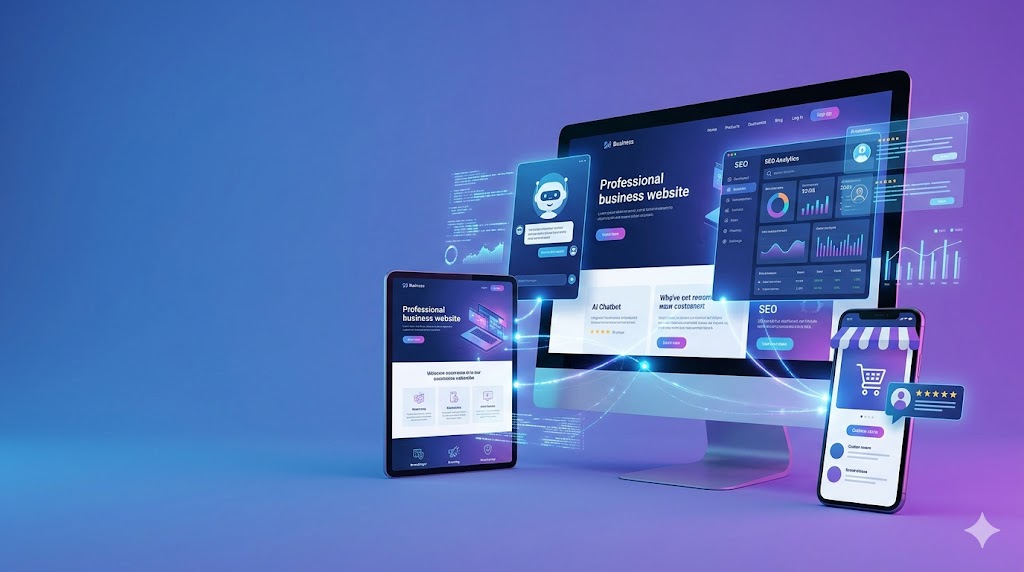
In 2026, having a website is no longer a luxury or an optional marketing asset—it is the foundation of a brand’s digital presence. While social media platforms, online marketplaces, and mobile apps continue to grow, a website remains the only digital property that a business truly owns and controls. Whether you’re a startup, a local business, a personal brand, or a multinational company, a professional website plays a critical role in building credibility, attracting customers, generating revenue, and staying competitive. As consumer behavior continues to evolve, brands that invest in a strong online presence are better positioned to succeed. Here’s why every brand needs a website in 2026. 1. Your Website Is Your Digital Headquarters Social media platforms are important, but they should not be your primary online home. Algorithms change, policies evolve, and accounts can be restricted or suspended without warning. When your brand relies entirely on third-party platforms, you have limited control over your audience and content. A website serves as your digital headquarters. It provides a centralized location where customers can learn about your products, services, values, and contact information. Unlike social media, you control the design, content, functionality, and customer experience. In 2026, consumers expect businesses to have a professional website where they can find accurate and up-to-date information at any time 2. Builds Trust and Credibility Trust is one of the most valuable assets a brand can have. Before making a purchase or contacting a business, many consumers conduct online research. If they cannot find a website, they may question the legitimacy or professionalism of the brand. A well-designed website helps establish credibility by showcasing: Company information Customer testimonials Reviews and ratings Case studies Certifications and awards Contact details Product or service information Consumers are more likely to engage with brands that appear transparent and professional. A website gives potential customers confidence that your business is genuine and trustworthy. 3. Available 24/7 for Customers Unlike physical stores or customer service teams, websites operate around the clock. Customers can browse products, read information, submit inquiries, and make purchases at any time of day. This 24/7 accessibility is particularly important in today’s global marketplace. Customers may visit your website from different cities, countries, and time zones. A website ensures your business remains accessible even when your team is offline. In 2026, convenience is a major factor in customer decision-making, and websites provide the convenience consumers expect. 4. Improves Search Engine Visibility When people need a product, service, or solution, they often begin with a search engine query. Without a website, your brand misses valuable opportunities to appear in search results. Search engine optimization (SEO) helps websites rank for relevant keywords, allowing potential customers to discover your business organically. This creates a consistent stream of traffic without relying solely on paid advertising. Benefits of SEO include: Increased visibility Higher-quality leads Greater brand awareness Long-term marketing value Lower customer acquisition costs In a highly competitive digital environment, brands that invest in SEO gain a significant advantage over those that do not. 5. Gives Full Control Over Brand Identity Branding is more than just a logo. It includes your messaging, visual design, customer experience, and overall perception in the market. Social media platforms offer limited customization options. A website allows complete creative freedom, enabling brands to communicate their identity exactly as intended. Through your website, you can control: Colors and design elements Content structure Customer journeys User experience Brand storytelling Marketing campaigns This level of control helps create a consistent and memorable experience for visitors, strengthening brand recognition and loyalty. 6. Supports E-Commerce Growth Online shopping continues to expand rapidly, making e-commerce an essential component of modern business strategy. A website enables brands to: Sell products directly Accept secure payments Manage inventory Offer promotions Track customer behavior Provide personalized experiences By selling directly through a website, brands can reduce dependence on third-party marketplaces and maintain greater control over customer relationships and profit margins. Even service-based businesses benefit from online booking systems, consultation scheduling, and digital payment options integrated into their websites. 7. Enhances Customer Experience Customer expectations are higher than ever. People want quick access to information, seamless navigation, and personalized experiences. Modern websites can provide: AI-powered chat support Personalized recommendations Self-service resources Interactive tools Knowledge bases Frequently asked questions These features improve customer satisfaction while reducing support workloads. A positive website experience can significantly influence purchasing decisions and encourage repeat business. 8. Generates Valuable Customer Data One of the biggest advantages of having a website is access to customer insights. Website analytics help brands understand: Visitor behavior Traffic sources Popular content Conversion rates Customer demographics Purchase patterns This data enables businesses to make informed decisions and improve marketing performance. In 2026, data-driven strategies are essential for sustainable growth. A website provides valuable information that social media platforms alone cannot offer. 9. Strengthens Digital Marketing Efforts A website serves as the foundation for nearly every digital marketing strategy. Marketing channels that rely on websites include: Search engine optimization (SEO) Content marketing Email marketing Pay-per-click advertising Influencer campaigns Social media promotions Affiliate marketing Without a website, marketing efforts often lack a clear destination where visitors can learn more, take action, or make a purchase. A website transforms marketing traffic into leads, subscribers, and customers. 10. Keeps You Competitive In almost every industry, competitors are investing heavily in their digital presence. Businesses without websites risk losing potential customers to brands that offer easier access to information and services. Consumers increasingly compare businesses online before making decisions. If your competitors have modern, informative websites and you do not, they may appear more established and trustworthy. A website helps level the playing field, allowing small and medium-sized businesses to compete effectively with larger organizations. 11. Supports AI and Voice Search Discovery The rise of artificial intelligence and voice search is changing how consumers find information online. AI assistants and search engines frequently rely on website content to answer user questions and recommend businesses. Brands with well-structured websites are more likely to appear