

Starting a fitness journey can feel overwhelming, especially if you’re new to exercise and healthy living. With so much information available online, it’s easy to become confused about where to begin. The good news is that getting fit doesn’t require expensive equipment, complicated workout plans, or extreme diets. By focusing on simple and sustainable habits, anyone can improve their health and fitness over time. 1. Set Realistic Goals One of the biggest mistakes beginners make is setting goals that are too ambitious. While it’s great to be motivated, expecting dramatic results in a short period can lead to disappointment and frustration. Instead, start with small, achievable goals. For example: Walk for 20–30 minutes five days a week. Exercise three times per week. Drink more water every day. Get at least seven hours of sleep each night. Small victories build confidence and create momentum for long-term success. 2. Start Slowly Many beginners believe they need to exercise intensely from day one. However, pushing your body too hard can lead to soreness, fatigue, or even injury. Begin with moderate activities such as: Walking Cycling Swimming Light jogging Basic bodyweight exercises Gradually increase the duration and intensity of your workouts as your fitness level improves. Consistency is more important than intensity in the beginning. 3. Focus on Consistency The secret to fitness success is not perfection—it’s consistency. Exercising regularly, even for short periods, produces better results than occasional intense workouts. Try to establish a routine that fits your lifestyle. Whether it’s exercising in the morning, during lunch breaks, or after work, choose a schedule you can maintain. Remember that even 20 to 30 minutes of activity can have significant health benefits when done consistently. 4. Warm Up Before Exercise A proper warm-up prepares your muscles and joints for physical activity. It increases blood flow, improves flexibility, and reduces the risk of injury. Simple warm-up activities include: Marching in place Arm circles Light jogging Dynamic stretching Spend 5–10 minutes warming up before every workout session. 5. Learn Proper Form Using correct exercise technique is essential for both safety and effectiveness. Poor form can place unnecessary stress on muscles and joints, increasing the risk of injury. If you’re new to exercise: Watch instructional videos from trusted fitness professionals. Use mirrors to check your posture. Start with lighter weights or bodyweight movements. Focus on quality rather than quantity. Mastering the basics will help you progress safely and confidently. 6. Include Strength Training Many beginners focus only on cardio, but strength training is equally important. Building muscle improves metabolism, posture, balance, and overall physical function. Simple beginner-friendly strength exercises include: Squats Push-ups Lunges Glute bridges Planks Aim for two to three strength-training sessions per week. You can start using only your body weight before adding resistance bands or dumbbells. 7. Don’t Ignore Cardio Cardiovascular exercise strengthens the heart and lungs while helping burn calories. It also boosts mood and energy levels. Good beginner cardio options include: Brisk walking Cycling Dancing Swimming Jogging Try to accumulate at least 150 minutes of moderate aerobic activity each week for general health benefits. 8. Stay Hydrated Water plays a crucial role in physical performance and recovery. Dehydration can lead to fatigue, headaches, dizziness, and reduced exercise performance. To stay hydrated: Drink water throughout the day. Carry a reusable water bottle. Increase fluid intake during hot weather and workouts. Drink before, during, and after exercise. Proper hydration supports both fitness and overall health. 9. Eat a Balanced Diet Exercise alone cannot compensate for poor nutrition. A balanced diet provides the energy and nutrients your body needs to perform and recover. Focus on: Lean proteins such as chicken, fish, eggs, and legumes. Whole grains like oats, brown rice, and whole-wheat bread. Fruits and vegetables. Healthy fats from nuts, seeds, and avocados. Avoid relying heavily on processed foods, sugary drinks, and excessive fast food. Small improvements in eating habits can make a significant difference. 10. Prioritize Recovery Many beginners underestimate the importance of rest. Fitness improvements occur when the body recovers from exercise, not during the workout itself. Recovery tips include: Get 7–9 hours of sleep each night. Schedule rest days. Stretch after workouts. Listen to your body’s signals. If you feel excessively tired or sore, allow yourself additional recovery time. 11. Track Your Progress Monitoring progress can help maintain motivation and reveal how far you’ve come. You can track: Workout frequency Walking distance Weight lifted Body measurements Energy levels Don’t focus solely on the number on the scale. Improvements in strength, endurance, flexibility, and confidence are equally valuable indicators of success. 12. Stay Patient and Positive Fitness is a long-term journey, not a quick fix. Results take time, and progress may not always be linear. Some weeks will feel easier than others, and that’s completely normal. Celebrate small achievements such as: Completing a workout consistently. Walking farther than before. Performing more repetitions. Feeling more energetic during daily activities. A positive mindset can help you stay committed during challenging periods. 13. Find Activities You Enjoy Exercise should not feel like a punishment. Choosing activities you genuinely enjoy increases the likelihood that you’ll stick with them. Consider trying: Hiking Dancing Yoga Group fitness classes Recreational sports The best workout is the one you can do consistently over time. Conclusion Starting a fitness journey doesn’t require perfection, expensive gym memberships, or extreme lifestyle changes. The most effective approach is to focus on simple habits that you can maintain consistently. Set realistic goals, start slowly, stay active, eat nutritious foods, and give your body adequate rest. Remember that every small step counts. Whether it’s taking a daily walk, drinking more water, or completing your first workout, each positive choice moves you closer to better health. By staying patient and committed, beginners can build a strong fitness foundation that supports long-term wellness and a healthier, more active lifestyle.
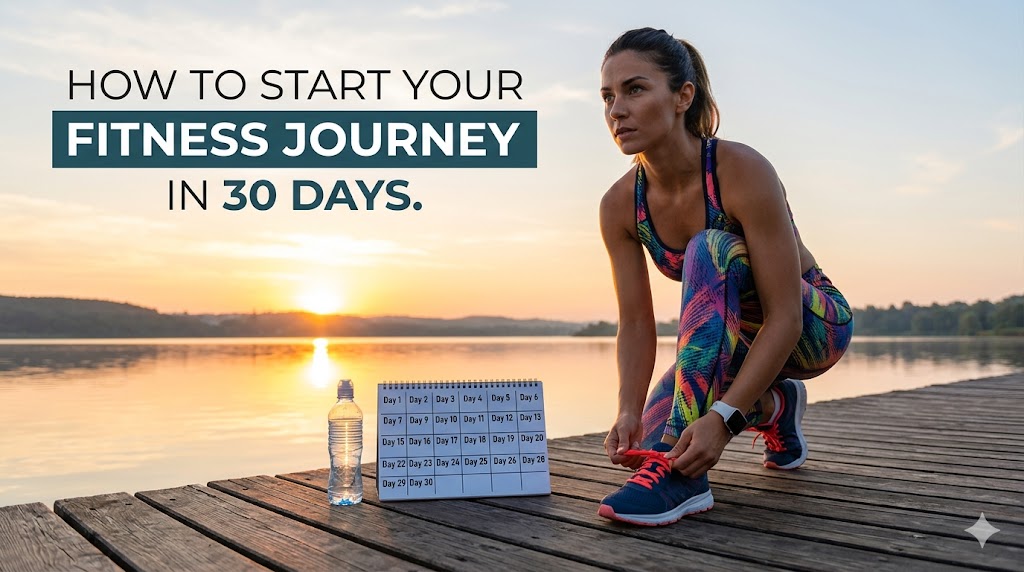
how to start your fitness journey in 30 days
Starting a fitness journey can feel intimidating, especially if you’ve spent months—or even years—living a sedentary lifestyle. With endless workout plans, diet trends, and fitness advice online, many beginners struggle to figure out where to begin. The truth is, getting fit doesn’t require expensive gym memberships, complicated workout routines, or extreme diets. What it requires is consistency, patience, and a clear plan. If you’re looking to improve your health, increase your energy, and build sustainable habits, a 30-day fitness plan is the perfect starting point. While you may not achieve a complete transformation in one month, you can establish a strong foundation that sets you up for long-term success. Here’s how to start your fitness journey in 30 days and create habits that last a lifetime. Why the First 30 Days Matter The first month of any fitness journey is crucial because it focuses on building habits rather than chasing immediate results. During these 30 days, your body begins adapting to increased activity, and your mind starts developing the discipline needed to stay consistent. Many people quit because they expect dramatic changes too quickly. Instead of focusing solely on weight loss or muscle gain, aim to create routines that you can maintain long after the first month ends. Consistency during these initial weeks is what ultimately leads to lasting results. Week 1: Set Goals and Prepare for Success Before jumping into workouts, take some time to define your fitness goals. Ask yourself why you want to get fit. Are you looking to lose weight, build strength, improve endurance, boost confidence, or simply live a healthier lifestyle? Once you’ve identified your reasons, set realistic and measurable goals. For example: Walk 8,000 steps daily Exercise four times per week Drink 2–3 liters of water each day Lose 1–2 kilograms in a month Improve overall energy levels Having clear goals gives you direction and helps you stay motivated when challenges arise. Next, assess your current fitness level. Take note of your weight, measurements, daily activity levels, and eating habits. This baseline will help you track progress over time. Finally, create a simple workout schedule. Beginners should focus on manageable workouts rather than intense training sessions. Aim for three to four workout days during the first week and include a mix of walking, bodyweight exercises, and stretching. Week 2: Build Consistency Once you’ve started moving regularly, the next step is building consistency. This is often where motivation begins to fade, making discipline more important than enthusiasm. Focus on daily movement, even if it’s not a structured workout. Activities like walking, cycling, climbing stairs, or playing a sport all contribute to your fitness goals. Aim for at least 30 minutes of physical activity each day. Introduce basic strength-training exercises into your routine. Strength training is essential because it helps build muscle, improves metabolism, and enhances overall fitness. Some beginner-friendly exercises include: Squats Push-ups Lunges Planks Glute bridges Perform two or three sets of each exercise and focus on proper form rather than speed or intensity. At the same time, start improving your daily habits. Prioritize sleep, stay hydrated, and reduce processed foods. Small lifestyle changes often have a greater impact than intense workouts alone. Week 3: Improve Your Nutrition Fitness isn’t just about exercise—nutrition plays a major role in your results. During the third week, focus on creating healthier eating habits rather than following restrictive diets. Start by including more whole foods in your meals, such as: Fruits and vegetables Lean proteins Whole grains Healthy fats Nuts and seeds Try to reduce your intake of sugary drinks, fast food, and highly processed snacks. Instead of eliminating your favorite foods completely, practice moderation. Protein is particularly important because it helps repair and build muscle after exercise. Include protein sources such as eggs, chicken, fish, lentils, beans, tofu, or Greek yogurt in your meals. Hydration is equally important. Drinking enough water supports digestion, energy levels, and workout performance. Carry a reusable water bottle throughout the day to make hydration a habit. Meal preparation can also make healthy eating easier. Planning meals in advance reduces the temptation to choose unhealthy convenience foods when you’re busy. Week 4: Increase Intensity and Track Progress By the fourth week, your body will likely feel stronger and more capable than when you started. This is the ideal time to gradually increase your workout intensity. You can challenge yourself by: Walking or jogging longer distances Adding more repetitions to exercises Using resistance bands or light weights Reducing rest periods between sets Trying new forms of exercise Remember, progress doesn’t mean pushing yourself to exhaustion. The goal is to challenge your body while maintaining proper form and avoiding injury. Tracking your progress is also important. Compare your current fitness level to where you started. You may notice improvements such as: Increased energy Better sleep quality Improved stamina Greater strength Healthier eating habits Weight loss or body composition changes Even if the scale hasn’t changed significantly, these improvements are signs that your efforts are paying off. Common Mistakes Beginners Should Avoid Many people make avoidable mistakes when starting their fitness journey. Being aware of these pitfalls can help you stay on track. 1. Setting Unrealistic Expectations Expecting dramatic results within a few weeks often leads to disappointment. Focus on progress, not perfection. 2. Doing Too Much Too Soon Exercising intensely every day can increase the risk of burnout and injury. Start slowly and increase intensity gradually. 3. Skipping Recovery Rest is essential for muscle repair and overall performance. Schedule at least one or two recovery days each week. 4. Following Extreme Diets Crash diets are rarely sustainable. Focus on balanced nutrition and long-term healthy eating habits. 5. Comparing Yourself to Others Everyone’s fitness journey is unique. Compare yourself only to the person you were yesterday. Turning 30 Days Into a Lifestyle The biggest mistake people make is treating fitness as a short-term challenge rather than a lifelong commitment. The goal of these first 30 days is not perfection—it’s creating habits that become part

fitness starts with one step
Fitness Starts with One Step In a world filled with fitness trends, workout challenges, and quick-fix promises, it’s easy to feel overwhelmed before you even begin. Social media often showcases dramatic transformations, intense workout routines, and seemingly perfect lifestyles that can make starting a fitness journey feel intimidating. However, the truth is much simpler: fitness starts with one step. Whether your goal is to lose weight, build strength, improve your health, increase your energy, or simply feel better in your daily life, every successful fitness journey begins with a small decision to take action. You do not need a gym membership, expensive equipment, or a perfectly planned routine to get started. What matters most is taking that first step and continuing to move forward. The Power of Small Beginnings Many people delay their fitness goals because they believe they need to make massive changes overnight. They think they must exercise for hours every day, completely change their diet, and achieve instant results. This mindset often leads to frustration and burnout. The reality is that lasting fitness is built through small, consistent actions. A ten-minute walk today can become a thirty-minute walk next month. One healthy meal can lead to better eating habits throughout the week. Small victories create momentum, and momentum creates lasting change. When you focus on manageable goals rather than dramatic transformations, fitness becomes less intimidating and more achievable. Every step, no matter how small, moves you closer to a healthier version of yourself. Why Taking the First Step Matters The hardest part of any fitness journey is often getting started. Fear of failure, lack of confidence, and uncertainty can prevent people from taking action. However, action creates confidence. Once you begin moving, your mindset shifts. You start to see that progress is possible. You gain experience, build routines, and develop habits that support your goals. Even if your first workout is short or your first healthy choice seems insignificant, it still counts. Remember, no one starts as an expert. Every athlete, fitness enthusiast, and health-conscious individual once stood exactly where you are now—at the beginning. Building Healthy Habits That Last Fitness is not about perfection. It is about consistency. The most successful fitness journeys are built on sustainable habits rather than temporary motivation. Here are a few simple habits that can help you get started: 1. Move Every Day Physical activity does not have to be complicated. Walking, stretching, cycling, dancing, or even household chores can contribute to your fitness. The goal is to make movement a regular part of your daily routine. 2. Stay Hydrated Water plays a vital role in energy levels, recovery, and overall health. Drinking enough water throughout the day supports your fitness efforts and helps your body function at its best. 3. Prioritize Sleep Many people underestimate the importance of sleep in achieving fitness goals. Quality sleep supports muscle recovery, hormone balance, and mental well-being. Aim for seven to nine hours of sleep each night whenever possible. 4. Make Better Food Choices You do not need a perfect diet to improve your health. Focus on adding more fruits, vegetables, lean proteins, and whole grains to your meals. Small improvements can lead to significant results over time. 5. Celebrate Progress Fitness progress is not measured solely by the number on a scale. Increased energy, improved mood, better endurance, and stronger habits are all signs of success. Celebrate every achievement, no matter how small. Overcoming Common Obstacles Every fitness journey comes with challenges. Understanding how to overcome them can help you stay committed. Lack of Time Many people believe they need an hour or more each day to exercise. In reality, even 15 to 20 minutes of physical activity can provide benefits. Focus on what you can do rather than what you cannot. Lack of Motivation Motivation naturally comes and goes. Instead of relying on motivation, create routines and habits. Schedule your workouts like appointments and commit to showing up, even when you do not feel inspired. Fear of Failure Setbacks are a normal part of any journey. Missing a workout or enjoying an unhealthy meal does not erase your progress. The key is to get back on track and continue moving forward. Comparing Yourself to Others Your fitness journey is unique. Comparing your progress to someone else’s can lead to discouragement. Focus on becoming a better version of yourself rather than competing with others. The Mental Benefits of Fitness Fitness is not only about physical health. Regular exercise can improve mental well-being in powerful ways. Physical activity helps reduce stress, boost mood, improve focus, and increase self-confidence. Many people begin exercising to change their appearance but continue because of how much better they feel mentally and emotionally. The confidence gained from achieving fitness goals often extends into other areas of life, including work, relationships, and personal growth. Creating a Lifestyle, Not a Temporary Fix One of the biggest mistakes people make is treating fitness as a short-term project. They focus solely on reaching a specific goal and then stop once they achieve it. True fitness is a lifestyle. It involves making choices that support your long-term health and well-being. When you view fitness as an ongoing journey rather than a destination, it becomes easier to maintain healthy habits for life. Start with activities you enjoy. Choose foods that nourish your body while still allowing flexibility. Build routines that fit your lifestyle. The more sustainable your approach, the more likely you are to succeed. Your Journey Begins Today No matter your age, fitness level, or experience, there is no better time to begin than now. You do not need to wait for Monday, a new month, or the perfect circumstances. Progress begins the moment you decide to take action. Every healthy choice matters. Every workout counts. Every step forward brings you closer to your goals. Remember, fitness does not start with a marathon, an intense workout, or a complete lifestyle overhaul. Fitness starts with one step. Take that step today, stay